
Small grants for the groups that hold a street together
We have funded grassroots groups across Tyne and Wear since 1976, from an endowment left to Newcastle by one family. Between 500 and 15,000 pounds, no scoring matrix, and a decision within six weeks.
The range we award, in pounds
From the visit to a decision in writing
Awarded last financial year, averaging 2,850 pounds
Paid out every year without a break
How a grant happens
Two pages, one visit, an answer
Most groups are through the whole thing in under two months. Requests under 2,000 pounds go to a panel of two trustees and are usually decided within three weeks. We are not a lottery-scale fund and we do not run to their timescales.
You send two pages
A two-page application and your last set of accounts, by email. Nothing to register for, and no forms that time out while you find the figures.
We come and look
A trustee or a member of staff visits the hall, the allotment or the youth room. For anything over 1,000 pounds this happens before a decision, not after.
You hear back in writing
Six weeks from the visit at the latest, with the name of the person to ring if the answer is no and you want to know why.
What makes us different
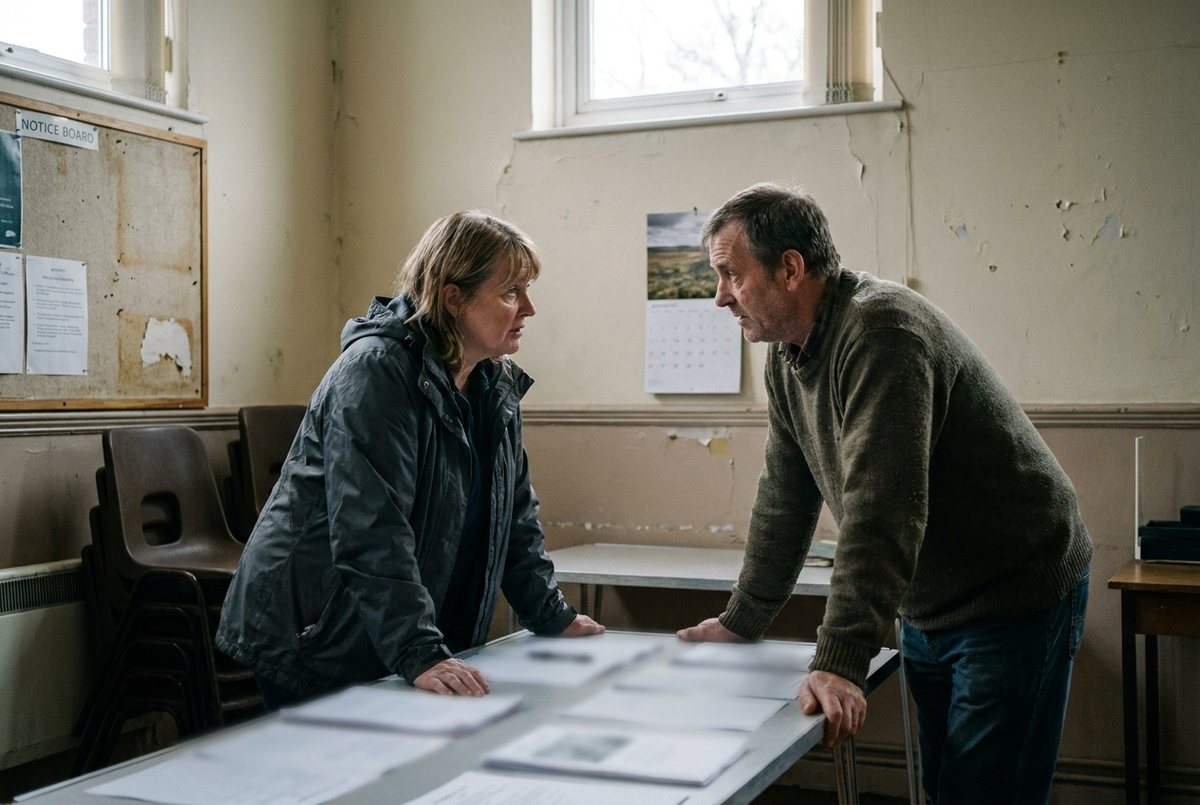
We visit before we decide
A trustee or member of staff sees the hall, the allotment or the youth room in person before any grant over 1,000 pounds is approved. Photographs in an application only tell you what a group wants you to see.
The visit takes about half an hour, usually on a weekday morning, and nobody needs to tidy up for it.
Not sure whether your group counts?
Ring the office on a Tuesday, Wednesday or Thursday morning and ask. Most eligibility questions take under ten minutes if you have your constitution and last accounts to hand.
Last quarter
What the money actually paid for
Five of the awards made between April and June. Every grant is listed in the annual report with the amount and a line on what it was for.
- 14th Newcastle (Walker) ScoutsWalker, NewcastleRoof felt and guttering on the boat store1,800
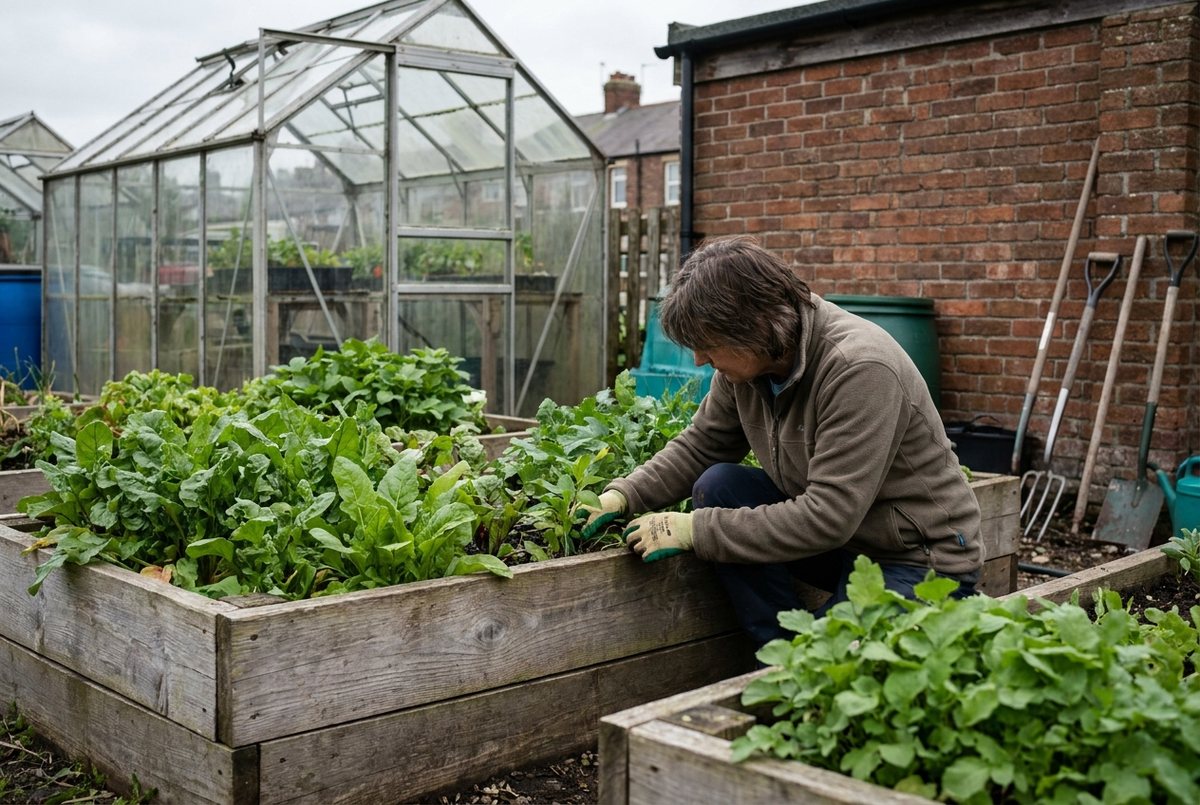
- Felling Community GardenFelling, GatesheadWater butts, hand tools and a lockable shed940
- Hebburn Wednesday Lunch ClubHebburn, South TynesideKitchen equipment and a year of hall hire3,200
- Whitley Bay Youth ProjectWhitley Bay, North TynesideA sessional worker for Friday nights, one year6,500
- Millfield Repair CafeMillfield, SunderlandBenches, tools and public liability insurance1,150
Amounts in pounds. The smallest award we made last quarter was 500 pounds, for a community choir's sheet music.
Where the money comes from
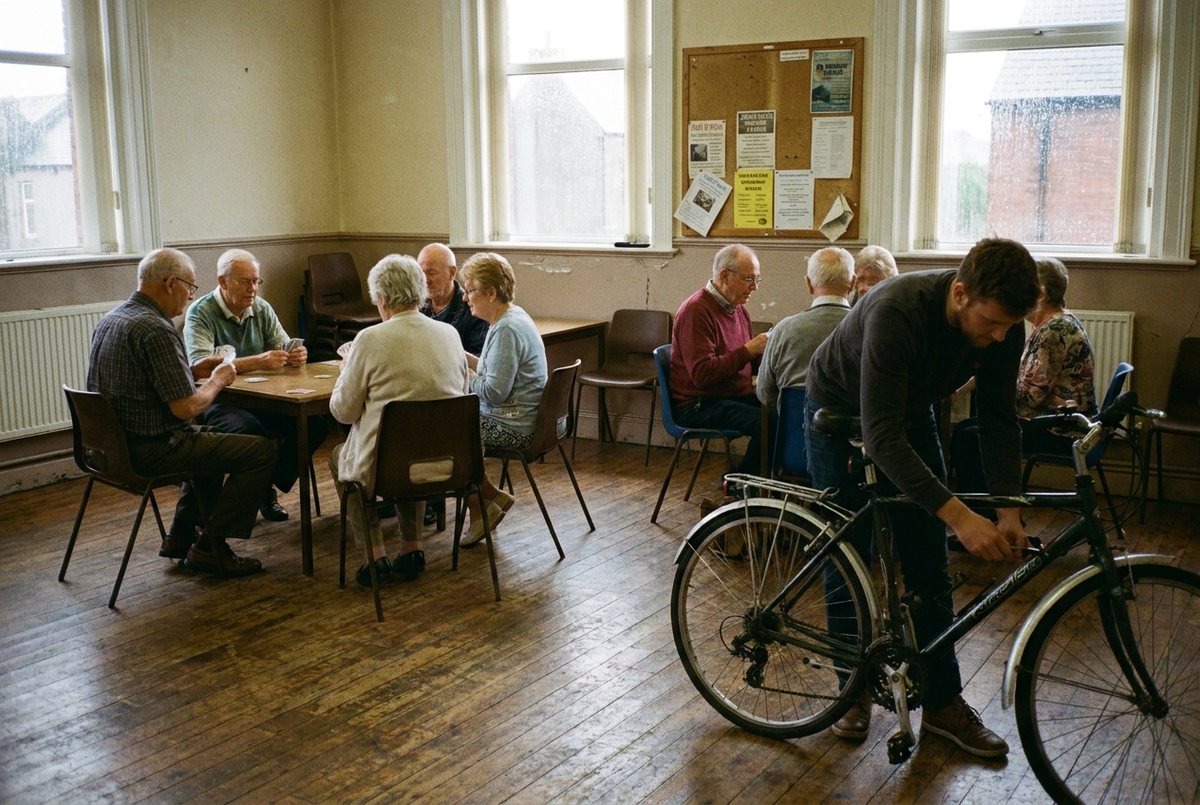
The endowment stays put
We spend the income, not the capital. The fund has paid out every year since 1978 and is built to keep doing so long after the groups we are funding now have moved on.
It stands at roughly 4.2 million pounds, invested on a policy the seven trustees review every three years.
We asked three funders for 1,800 pounds to fix the roof on the scout hut. Fenwick were the only one who sent someone to look at the roof before they said yes.
Marie Cassidy, Group Scout Leader, 14th Newcastle (Walker) Scouts
From the journal
How we think about the money
Notes from the Grants Manager on what we look for, what we get wrong, and why the small requests take as much care as the large ones.
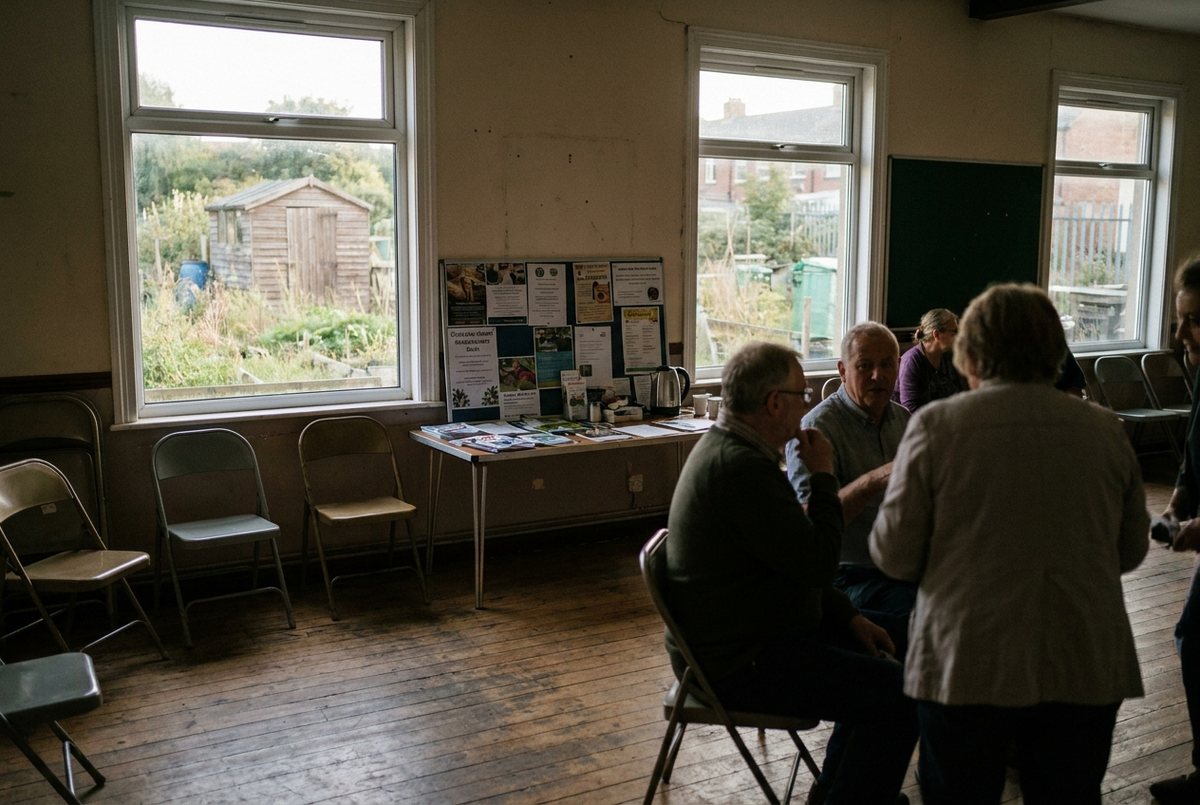
Why we still do site visits for an 800 pound request
A half-hour visit tells us more than any amount of supporting evidence, and it costs the group nothing.
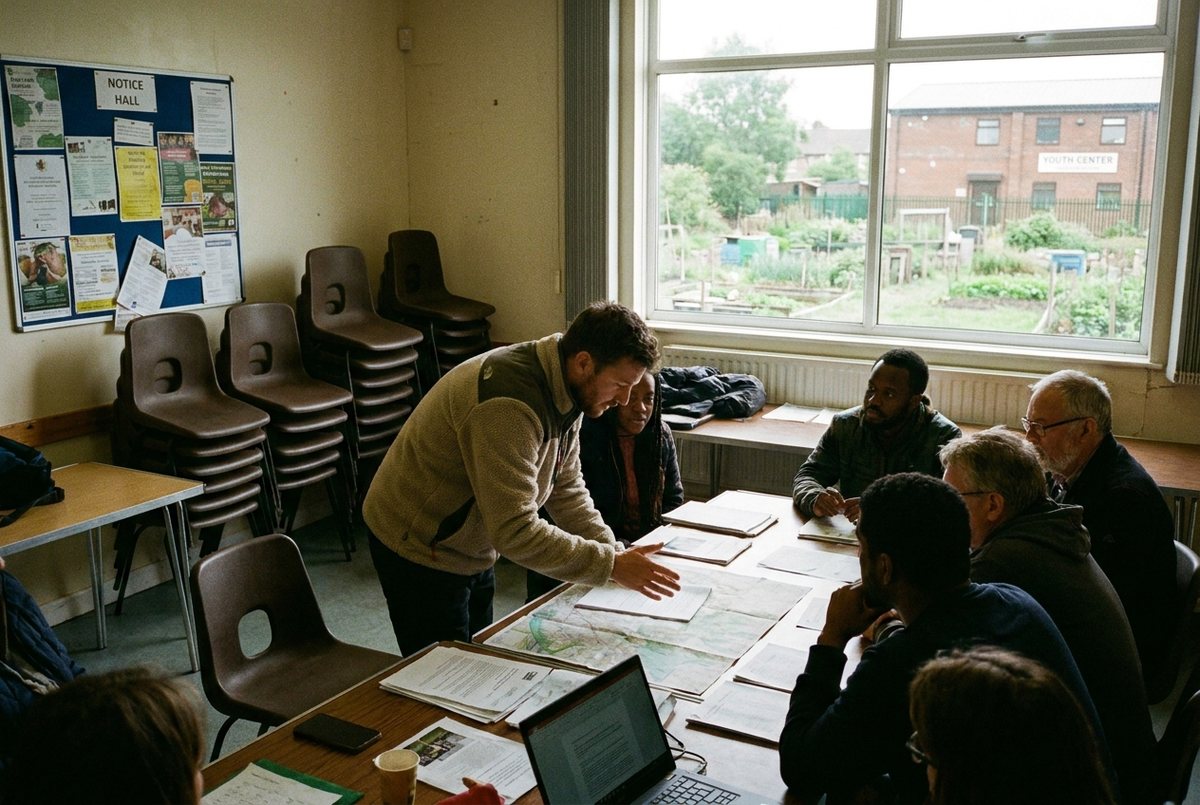
The trouble with asking a 500 pound applicant for a three-year strategy
Proportionate questions get honest answers. We stopped asking small groups for plans they had no reason to write.
The best applications are the ones that admit what won't work
Groups that name the risk in their own project are usually the ones who have thought it through.
Thinking of applying
Start with the grants page, not the form
It tells you in five minutes whether your group is the kind we fund, before you spend an evening writing anything. Applications go by email to noreply@webgentic.ai, and there is no online portal to sign up for.